04 / Personal care / Understand before adopting
Care in Context
Objects used close to the body deserve clear explanations, modest claims and room for individual needs. A long history of use is not a promise that something suits everyone.
Custom is context, not a prescription
Personal-care objects can be particularly vulnerable to two misleading stories: that unfamiliar practices are unhygienic, or that traditional practices offer an effortless cure. Both shortcuts replace understanding with a judgment. A better approach asks what the object is intended to do, how people learn to use it and what precautions surround its use.
Washing routines vary within Italy, Japan, Türkiye and every other place discussed here. Facilities, age, disability, household preference and access all affect what people do. Even apparently similar equipment may work differently. Read instructions, ask a host or attendant when appropriate, and avoid making someone’s private routine into a public spectacle.
The bidet: different equipment for water-based washing
A standalone bidet, familiar in many Italian bathrooms, is a separate fixture for washing. It is not a second toilet. Toilet-mounted wash seats, associated in many visitors’ minds with Japan, combine a different set of functions within or beside the toilet. Handheld sprays and simple attachments introduce further variations.
Grouping all of these under “bidet” can hide important practical differences. Controls may adjust temperature, pressure or nozzle position; another model may offer only a basic water supply. Learn the actual controls before use. Start cautiously, avoid excessive pressure or heat, and follow the manufacturer’s cleaning instructions.
For a home installation, consider more than the price of an attachment. Plumbing compatibility, backflow protection, electrical requirements and local regulations may apply. A qualified installer can assess those issues. Do not assume a product sold online is permitted or appropriate for every bathroom connection.
The useful cultural lesson is that water-based washing can be an ordinary part of a routine. It does not establish that one nation is cleaner than another, or that a particular fixture will resolve a medical concern.
Miswak: a plant material within a care practice
A miswak is a tooth-cleaning stick, commonly associated with the plant Salvadora persica, although chewing-stick traditions use different plants in different regions. Its use is documented across parts of the Arabian Peninsula, East Africa and South Asia. For some users it also has religious significance, which should not be reduced to a marketing theme.
The working end is prepared into fibres that contact the teeth. That simple description is not a complete lesson in safe technique. Plant identification, freshness, storage and pressure matter, and an unidentified twig is not an interchangeable substitute. Products sold with sweeping antibacterial or whitening promises deserve scrutiny.
Do not share a cleaning stick. Seek advice from a dental professional if you want to incorporate one into your routine, particularly if you have gum problems, orthodontic appliances or other individual needs. Do not assume that using a miswak removes the need for fluoride toothpaste, interdental cleaning or professional dental care recommended for you.
The kese: texture within a bathing sequence
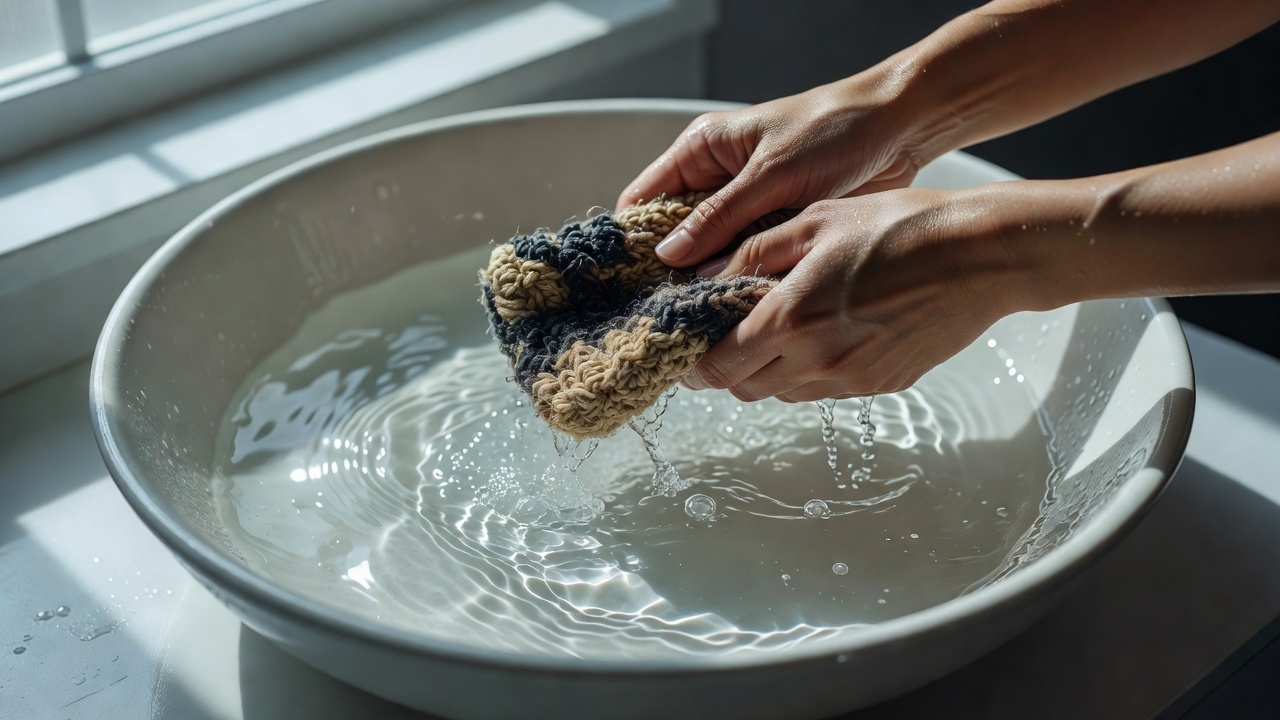
A kese is an exfoliating mitt associated with bathing practices in Türkiye, including the hammam. Its purpose makes more sense within a sequence of warming, washing and rinsing than as an isolated “skin transformation” gadget. Mitt texture, technique and the condition of the skin all influence the experience.
A visitor to a hammam should ask what a service includes and communicate boundaries before it begins. Customs vary between establishments, and consent is not replaced by a travel guide’s description of what usually happens. Finland’s sauna traditions and South Korea’s bathhouse practices offer other examples of shared bathing contexts, but they should not be collapsed into one interchangeable ritual.
At home, avoid aggressive rubbing and stop if the skin becomes sore or irritated. Do not scrub broken, inflamed or sunburned skin. Clean and dry the mitt according to its material instructions, and keep it for individual use. People with skin conditions or reduced sensation should seek professional advice rather than experimenting with stronger pressure.
Ask what the claim leaves out
Misconception
- Natural materials cannot cause harm.
- Traditional use proves a medical benefit.
- A more intense sensation means better cleaning.
Explanation
- Materials can irritate, degrade or carry contamination.
- Health claims need evidence relevant to the claim.
- Pain and irritation are reasons to stop, not goals.
| Object | Check the context | Check the limit |
|---|---|---|
| Bidet or wash seat | Fixture type and controls | Installation rules and safe settings |
| Miswak | Plant identity and intended use | Individual dental needs and hygiene |
| Kese | Bathing sequence and texture | Skin condition, pressure and cleaning |
You can learn from a practice without adopting it. Sometimes the most respectful response is to understand the vocabulary, follow a host’s guidance and leave a tool to the people who prefer it. Curiosity is valuable on its own; it does not need to become a purchase or a claim of expertise.